How Does SWUpdate CVE-2026-109399 Bypass Certificate Checks?
A critical flaw in SWUpdate allows attackers to install malicious firmware by exploiting improper validation of sibling intermediate certificates.
Key points
- CVE-2026-109399 affects SWUpdate versions through 2026.05.1
- The flaw stems from improper certificate validation in crypto code
- Attackers can use sibling intermediate keys to sign malicious updates
A critical vulnerability in SWUpdate allows attackers to bypass security checks and install unauthorized firmware. The flaw, identified as CVE-2026-109399, affects all versions of the software up to and including 2026.05.1. According to the National Vulnerability Database, the issue carries a CVSS score of 9.2, indicating severe risk.
What is the technical root cause?
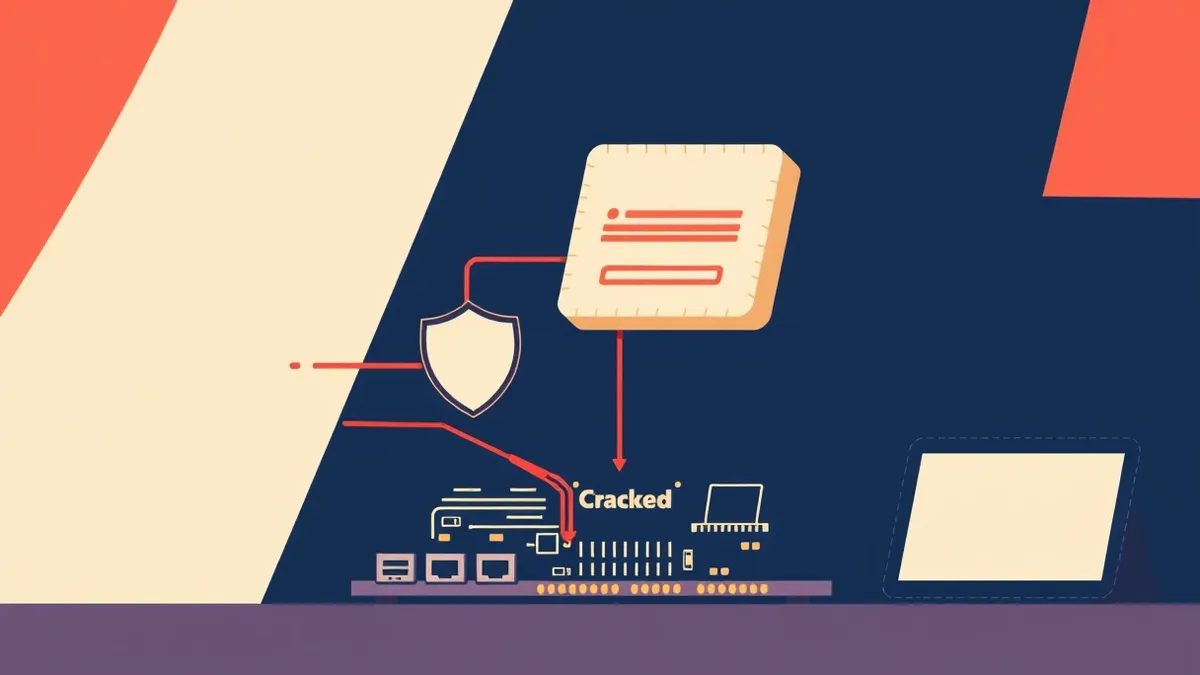
The vulnerability exists within the `crypto/swupdate_cms_verify_openssl.c` file. It involves improper validation of X.509 certificates that are embedded in CMS SignedData structures. The software incorrectly trusts these untrusted certificates when building the certificate chain. This failure in verification logic allows the system to accept signatures that should have been rejected.
How can attackers exploit this weakness?
Attackers who possess a signing key from a sibling intermediate certificate can exploit this flaw. These sibling certificates share the same root certificate as the legitimate signing authority. By embedding the sibling intermediate certificate within the signature data, an attacker can trick the system into accepting malicious updates as valid. This bypasses the intended trust boundaries.
What is the impact on organizations?
This vulnerability enables the installation of malicious firmware updates on affected systems. Because the software trusts the improperly validated chain, it processes the malicious code as a legitimate update. This could lead to complete compromise of the device running SWUpdate. The high severity rating reflects the potential for significant operational disruption and security breaches.
What is the current status?
The National Vulnerability Database lists the vulnerability as confirmed with a critical severity rating. The affected software is developed by sbabic. No official patch or fix has been confirmed in the provided source material. Organizations using SWUpdate versions up to 2026.05.1 should assume their systems are vulnerable until a vendor update is released and verified.
What to do and how to stay safe: SWUpdate
- Audit all systems running SWUpdate to identify versions up to 2026.05.1
- Restrict network access to update servers to prevent unauthorized firmware pushes
- Monitor certificate logs for unusual intermediate certificate usage patterns
- Prepare to apply vendor updates immediately once a fix is released
Step-by-step guide: Patch Management: Why Updates Fail and How to Fix It
General security guidance from the Sandbox Dispatch newsroom. It is not confirmed advice from the organisations named in this story.
Frequently asked questions
Which SWUpdate versions are affected by CVE-2026-109399?
All versions of SWUpdate through 2026.05.1 are affected by this vulnerability.
What is the CVSS score for this vulnerability?
The CVSS score is 9.2, which is rated as critical severity.
How does the attacker bypass certificate validation?
Attackers embed a sibling intermediate certificate in the CMS SignedData, which the software incorrectly trusts during chain building.