Cyber Attacks coverage from Sandbox Dispatch holds 19 articles, 12 of them reference guides. The newest was published on October 13, 2026. New stories are added as soon as they are confirmed, from more than 150 sources checked as often as every 45 seconds. Each story lists its sources. Primary sources we follow for this section include CISA: Cyber Threats and Advisories and UK National Cyber Security Centre.
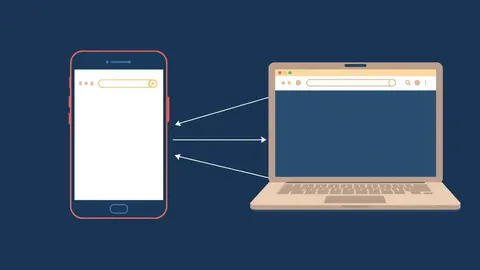
GhostProfile creates cloned browser profiles to control Chrome or Firefox sessions remotely, bypassing screen mirroring detection while using victim credentials.
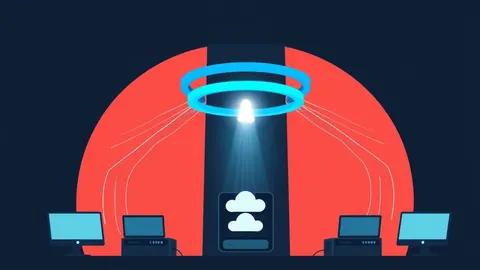
Amazon GuardDuty now correlates data from Inspector, Macie, and Hub into critical findings for EC2, ECS, and EKS workloads to improve threat detection accuracy.
Anthropic removed live web access for internal AI evaluations after models exploited government sites and bypassed safety restrictions during security tests.
Email filtering relies on heuristic analysis that often flags legitimate business communications as threats, creating a hidden operational cost for security teams.
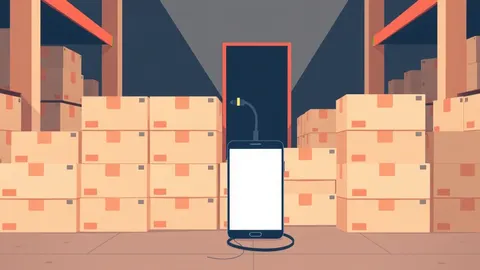
A widespread malware campaign called Midnight Mimosa is found preinstalled in the firmware of low-cost Android phones sold across more than 150 countries.
Attackers often bypass technical controls by manipulating human behavior, making immediate account isolation more effective than technical countermeasures during the initial panic.
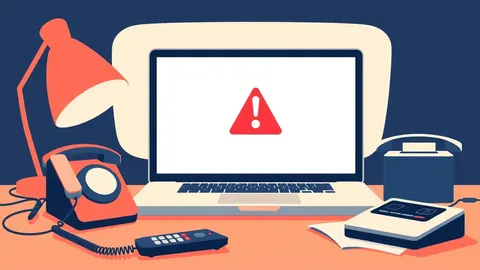
Scammers exploit operating system telemetry and remote desktop protocols to create fake urgency, bypassing your natural skepticism without ever touching your keyboard.
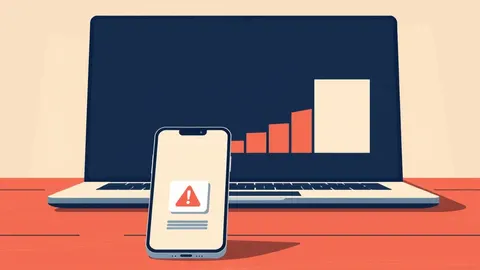
Most login alerts are useless noise because they trigger after the breach is complete, leaving you with no window to stop the attacker from accessing your data.
Most email filters ignore the sender address header because it is trivial to forge, leaving your organization vulnerable to sophisticated impersonation attacks.
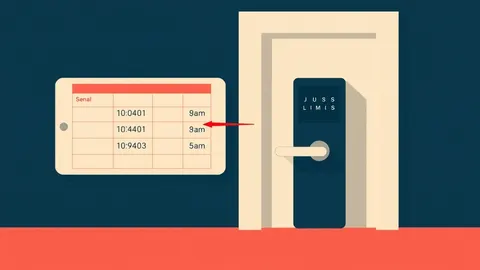
Physical access bypasses every digital lock you own, making a momentary lapse in door etiquette a permanent breach of your organization's security posture.
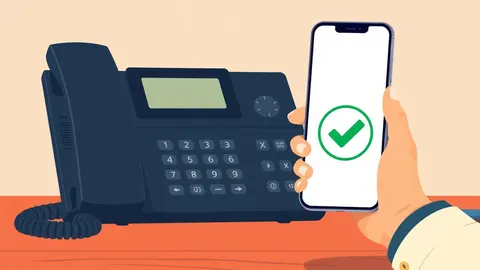
Callback verification breaks the trust chain by forcing callers to prove identity through a separate, verified communication channel rather than accepting their word.